
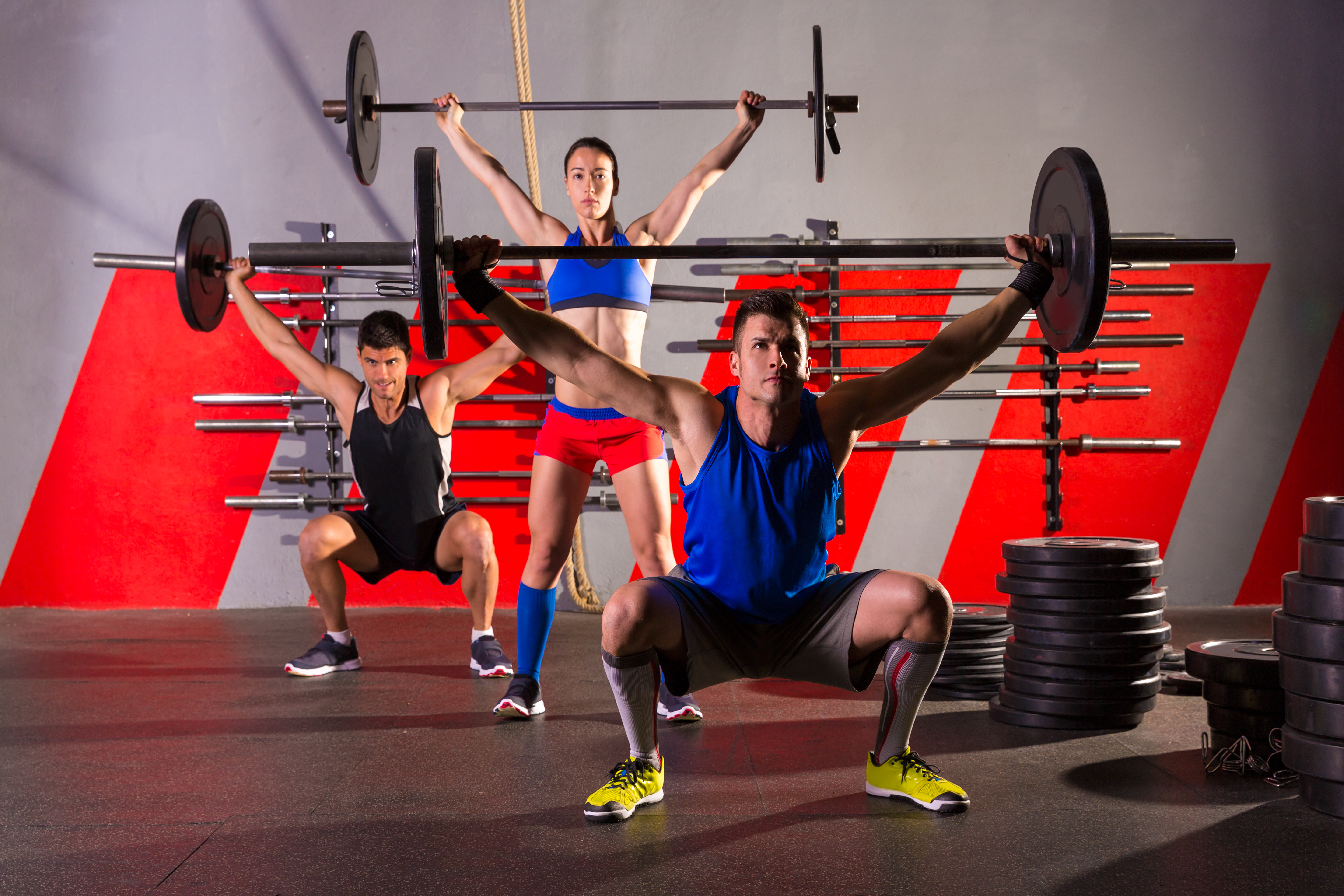
 Go to the gym. Load up a barbell. Pick the bar up off the ground ten times. Then jump up and down off a twenty-four inch box ten times. Follow that with ten pull-ups. Repeat the sequence as many times as you can in sixteen minutes. Congratulations, you’ve just done a CrossFit workout! To some people, it sounds like hell. To Reebok, it’s a way to invigorate a brand.
CrossFit is an exercise regimen that combines elements of gymnastics, weightlifting, and endurance sports with the goal of creating the ultimate level of cross-functional fitness, and it’s caught on like wildfire. The first CrossFit gym, called a “Box,” opened in 2000. Today, there are more than 8,000 worldwide. In 2007, CrossFit launched the “CrossFit Games.” Reebok began sponsoring the Games in 2011 and inspired the idea for an “Open,” basically a giant qualifying round open to any athlete who wanted to enter.
Reebok is constantly working to design apparel that helps athletes achieve their best possible workout, no matter what their sport, with a special emphasis on products that have the durability and functionality that Crossfit, the Spartan Races, and other demanding regimens require.
Reebok’s line of CrossFit shoes and apparel has grown along with the sport. Revenue from Reebok’s CrossFit merchandise grew by 13% in the first quarter of 2013, and sold millions in business just selling gear at regional CrossFit Games. In fact, Reebok is so committed to CrossFit that the brand opened a CrossFit Box in its corporate headquarters.
The Way I See It
- I see Reebok as the official “CrossFit gear,” much like lululemon is synonymous with yoga. I see product development continuing to be a large part of the brand’s business model, and not only a way to connect with customers, but to engage and support them.
- I see Reebok as a trendsetter in the durability-focused fitness gear. As cross-functional fitness continues to expand in popularity, brands will look to Reebok to set the benchmark.
- I see that Reebok is onto something interesting. Unlike sponsoring professional sports, and receiving endorsements from professional athletes that go along with it, Reebok is sponsoring the sports equivalent of a grassroots movement in which the fans are also the athletes.
The Way the Industry Sees It

I sat down with Chris Froio, Vice President of Fitness & Training at Reebok, to discuss how its CrossFit partnership has opened opportunities for its brand and aided in product development.
How do you see CrossFit fitting into the issue of exercise trends? Do you see this as a long lasting change or a reflection of the moment?
As far as trends are concerned, the biggest trend that is shifting is fitness enthusiast have moved away from solitary jogging, running, and weightlifting on their own to a more group focused environment. We are seeing a shift to communities, tribes, etc. and people are doing functional fitness in a CrossFit gym – or a “Box” as CrossFit calls it – with 20 to 25 people in a class. We are also seeing people do Spartan Races alongside a couple hundred people. Group studio classes are starting to grow as well, such as Spinning or SH’BAM. People are taking the idea of “I have to get the work out in,” and rather than making it a chore, we are seeing people turning workouts into a lifestyle and social thing. We see that working out with others increases motivation and helps eliminate the excuses, now you have people counting on you to come in for that class because you have formed relationships with the people in your class and your instructor.
How did Reebok decide to focus its energy on CrossFit? Was it attributed to the community-based workout trend shift that is underway?
The whole aspect of social media, social lifestyle, and the way people interact is where fitness trends are going. 4 years ago, we decided to go back to Reebok’s roots – fitness – and identify or create on our own a fitness regimen that was engaging and social. We wanted something that was more relevant than a gym full of treadmills or a weightlifting machine, and that is what spurred our relationship with CrossFit. I don’t see CrossFit as something that is going to go away. The more Reebok can make fitness engaging, the more it will inspire those who are not yet motivated.


 Men’s fashion has evolved over the years to incorporate more styles and fashion forward items. Other men’s-only retailers offer customers the option of designing their own custom dress shirts, providing choices of size, pattern, collar type, buttons, cuff link style, monogram options, and other features. The custom tailored concept is very popular among men, young and old, and it is now being introduced in online shopping to make it more convenient for men to custom design their shirts without even going to retailers. While the industry often focuses on women’s designers and luxury fashion houses when examining marketing and advertising initiatives, the world of men’s fashion cannot be ignored.
 I sat down with Alan Behar, CEO of Ike Behar, to discuss how the menswear industry has evolved and what advertising and marketing tactics most men’s fashion retailers find best.
 In this post I will examine the growth of retail store sales. Sales at brick-and-mortar retail stores constitute 90% of all retail sales in the United States. And many major retailers have found that their digital consumer engagement and investments made toward boosting their online presence has actually resulted in increased in-store visits. In fact, with the economy rebounding, some major retailers who were forced to close stores during the financial crisis are now implementing large-scale growth strategies and seeking hot real estate in key markets. So, how are the retail stores remaining relevant and competitive in the age of e-commerce and online shopping?
